Blog

  • Best Indoor Plants to Gift in a Pot for Every Occasion

    Best Indoor Plants to Gift in a Pot for Every Occasion

    In today’s world of sustainable living and thoughtful gestures, potted gifts are becoming an increasingly popular choice. Gifting plants not only reflects care and warmth but also promotes green living. Among all options, indoor potted gifts stand out as timeless tokens of love and appreciation. Whether it’s a birthday, anniversary, housewarming, or corporate celebration, there’s an ideal indoor plant to suit every occasion.

    Why Choose Potted Gifts?

    Potted gifts offer a unique blend of elegance, sustainability, and long-lasting value. Unlike traditional flowers that fade within days, indoor plants continue to thrive with proper care. They improve air quality, enhance home aesthetics, and uplift moods. These living gifts symbolize growth, longevity, and prosperity—qualities that resonate perfectly with every meaningful moment.

    1. Snake Plant – The Low-Maintenance Wonder

    The snake plant is an excellent indoor plant choice for gifting. It’s nearly impossible to kill and thrives even with minimal sunlight. Perfect for beginners or those with a busy schedule, it adds a modern touch to any space. As a potted gift, it represents resilience and positivity—ideal for birthdays or congratulatory occasions.

    2. Peace Lily – For Purity and Elegance

    Peace lilies are known for their glossy leaves and beautiful white blooms. They purify the air and bring a sense of calm to any room. Gifting a peace lily in a pot makes a beautiful gesture for anniversaries or housewarming ceremonies. It symbolizes peace, prosperity, and rebirth.

    3. Lucky Bamboo – Symbol of Good Fortune

    Among the most popular potted gifts, lucky bamboo stands out due to its association with good luck and prosperity. It is commonly gifted during new beginnings—be it new jobs, business launches, or festive occasions. It requires minimal care and grows well in water or soil, making it a versatile and elegant present.

    4. Aloe Vera – The Healing Plant

    Aloe vera is more than just a plant—it’s a source of natural healing. Known for its soothing and medicinal properties, aloe vera is a thoughtful potted gift for wellness enthusiasts. It is especially suited for occasions like wellness retreats, birthdays of health-conscious individuals, or even Mother’s Day.

    5. ZZ Plant – Perfect for Modern Homes

    The ZZ plant, with its shiny leaves and architectural form, is perfect for contemporary interiors. It tolerates low light and irregular watering, making it a favorite among new plant parents. As a potted gift, it represents prosperity and growth—ideal for corporate gifting and housewarming events.

    6. Jade Plant – The Money Tree

    Jade plants are often considered to bring good financial energy. With their thick, shiny leaves, they make charming potted gifts for business associates, weddings, or new ventures. They thrive with little attention and are believed to attract wealth and success.

    7. Succulents – Cute and Compact

    Succulents come in a variety of shapes, colors, and textures. They are compact, easy to care for, and look fantastic on desks, windowsills, or shelves. Succulent potted gifts are a great option for return gifts, birthday giveaways, or eco-friendly event favors.

    8. Boston Fern – For the Nature Lover

    Boston ferns are lush, green, and excellent natural air purifiers. They add freshness to interiors and are appreciated by those who love a more traditional, leafy aesthetic. This plant makes a wonderful potted gift for environmentalists, retirees, or during festive seasons.

    Occasions Perfect for Gifting Potted Plants

    • Birthdays – Celebrate personal milestones with a snake plant or succulent.
    • Anniversaries – A peace lily or jade plant symbolizes long-term commitment.
    • Housewarmings – Welcome loved ones into their new home with a ZZ plant or lucky bamboo.
    • Festivals – Diwali, Christmas, or Eid gifting becomes greener with aloe vera or jade plants.
    • Corporate Events – Appreciate team members or clients with elegant potted gifts like ZZ plants or succulents.

    Conclusion

    Potted gifts are more than just plants—they are living symbols of care, growth, and sustainability. With a wide variety of indoor plants to choose from, it’s easy to find the perfect match for every person and occasion. Not only do these gifts bring a smile to the recipient’s face, but they also serve as daily reminders of the thoughtfulness behind them.Choosing indoor plants as potted gifts is a meaningful way to celebrate relationships and milestones while making a positive impact on the environment. As the world moves toward greener choices, embracing potted gifts is a step in the right direction—one plant at a time.
  • How Air Purifier Plants Improve Indoor Air Quality

    How Air Purifier Plants Improve Indoor Air Quality

    Indoor air pollution is a growing concern in today’s urban world. From everyday cleaning products to synthetic furnishings, pollutants can easily accumulate inside our homes and workspaces. Fortunately, air purifier plants offer a natural and effective way to enhance the air we breathe.

    These plants not only beautify your space but also act as living air filters — absorbing toxins, increasing oxygen, and promoting better overall health. Let’s explore how air purifier plants improve indoor air quality and why they are a must-have in modern homes.

    What Are Air Purifier Plants?

    Air purifier plants are specific indoor plants known for their ability to clean the air by filtering out harmful toxins and chemicals. Unlike artificial air purifiers, these green allies work silently through natural processes like photosynthesis and transpiration.

    Some of the common pollutants found indoors include:

    • Benzene (from paints, detergents)
    • Formaldehyde (from carpets, furniture)
    • Carbon monoxide (from cooking)
    • Toluene and xylene (from adhesives and glues)

    Air-purifying plants absorb these toxins through their leaves and roots, converting them into harmless byproducts.

    How Do Air Purifier Plants Clean the Air?

    These plants follow a simple yet powerful method to purify indoor air:

    • Toxin Absorption: The leaves absorb airborne chemicals, pulling them into the plant system.
    • Oxygen Release: During photosynthesis, these plants take in carbon dioxide and release fresh oxygen.
    • Humidity Control: Through transpiration, they add moisture to the air, which can reduce respiratory problems.
    • Soil Filtration: Microorganisms present in the plant’s soil also help neutralize toxins.

    By constantly cycling air through these natural processes, air purifier plants act as 24/7 detox agents.

    Best Air Purifier Plants for Your Home

    Here are some top-rated air-purifying plants that can enhance your indoor environment:

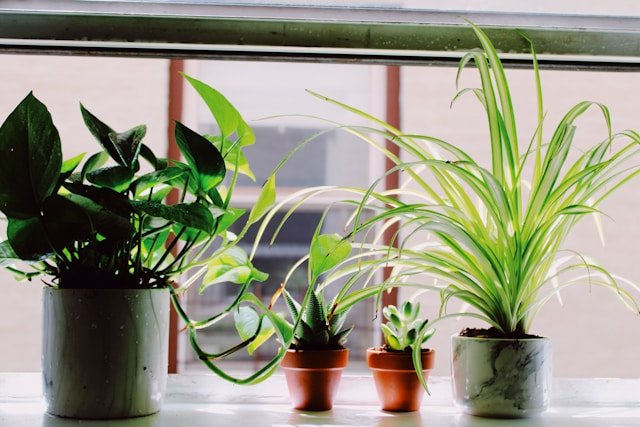
    • Spider Plant: Great at eliminating carbon monoxide and formaldehyde.
    • Peace Lily: Known for removing benzene, ammonia, and mold spores.
    • Snake Plant (Sansevieria): Excellent for bedrooms due to its ability to release oxygen at night.
    • Areca Palm: Natural humidifier and air toxin remover.
    • Rubber Plant: Effective in absorbing airborne chemicals.

    These plants require minimal maintenance and can thrive in a variety of indoor conditions

    Health Benefits of Air Purifier Plants

    The presence of air purifier plants can offer numerous health advantages beyond just cleaner air:

    • Improved Breathing: Fewer toxins and more oxygen mean better lung function.
    • Stress Relief: Greenery helps reduce anxiety and boost mood.
    • Better Sleep: Cleaner air and balanced humidity promote restful sleep.
    • Increased Focus: Studies show plants enhance concentration and productivity.
    • Natural Allergy Relief: Some plants reduce airborne dust and allergens.

    Whether at home or at work, the benefits of air-purifying plants are both physical and mental.

    Tips to Take Care of Air Purifier Plants

    To ensure these plants thrive and continue purifying your air:

    • Place them where they can get indirect light
    • Water them according to their specific needs — avoid overwatering.
    • Keep leaves dust-free for better toxin absorption.
    • Repot when roots outgrow the container.
    • Avoid placing them near heaters or air conditioners.

    Healthy plants are more efficient in cleaning the air, so regular care is essential.

    Conclusion

    Adding air purifier plants to your indoor spaces is one of the easiest and most sustainable ways to improve air quality. They are beautiful, affordable, and offer long-term health benefits. As concerns over indoor pollution continue to rise, these plants provide a simple, natural solution.

    From boosting oxygen to reducing harmful toxins, air-purifying plants are a smart choice for anyone looking to create a healthier living or working environment. Start with a few beginner-friendly varieties and experience the difference they can make in your life.

  • How to Protect Outdoor Plants During Extreme Weather Conditions

    How to Protect Outdoor Plants During Extreme Weather Conditions

    Outdoor plants add life, color, and freshness to any garden or landscape. However, extreme weather conditions such as scorching heat, heavy rains, frost, or strong winds can put these plants at risk. Whether you’re a seasoned gardener or a beginner, knowing how to protect outdoor plants during harsh weather is essential to ensure their health and longevity.

    In this blog, we’ll explore practical and effective ways to safeguard your outdoor plants from the unpredictable forces of nature.

    1. Understand the Weather Patterns

    Before implementing any protection strategies, it’s important to be aware of the local weather conditions. Monitoring daily forecasts can help you prepare in advance. Outdoor plants are sensitive to sudden changes, especially in temperature and moisture levels. Whether it’s a heatwave or unexpected frost, staying informed gives you the upper hand in keeping your plants safe.

    2. Provide Proper Mulching

    Mulching is one of the simplest and most effective ways to protect outdoor plants. A thick layer of mulch helps in:

    • Regulating soil temperature
    • Retaining moisture during hot weather
    • Preventing the soil from freezing during cold conditions

    Organic mulches like wood chips, straw, or dried leaves act as natural insulators and shield the roots of your plants.

    3. Use Shade Covers and Plant Tents

    During extreme heat or heavy rain, temporary covers can protect your outdoor plants from direct exposure. Shade cloths are ideal during summers as they reduce the amount of sunlight while still allowing air circulation. On the other hand, plastic plant tents or garden fabrics work well during colder months to trap heat and block cold winds.

    Make sure these covers are breathable and do not trap excessive moisture, which may lead to fungal infections.

    4. Watering Wisely

    Watering outdoor plants correctly during extreme weather is crucial. During hot and dry spells, water early in the morning or late evening to prevent evaporation. Deep watering encourages strong root growth, which helps plants withstand stress.

    In contrast, during heavy rainfall or storms, avoid overwatering. Ensure that your garden has good drainage to prevent root rot and fungal diseases.

    5. Relocate Potted Outdoor Plants

    If you have outdoor plants in containers, moving them is the easiest way to protect them. During strong winds, heavy rain, or frost, relocate your potted plants to a sheltered area like a porch, patio, or indoor space near sunlight.

    This simple action can prevent severe damage and even plant loss during extreme conditions.

    6. Prune Damaged or Weak Branches

    Before any storm or snow hits, it’s good practice to prune your outdoor plants. Remove dead, weak, or overcrowded branches to minimize the risk of breakage during high winds or under snow weight.

    Proper pruning also encourages healthier growth and better air circulation, reducing the chance of disease.

    7. Grouping Plants Together

    Clustering your outdoor plants closely can create a microclimate that shields them from extreme cold or wind. This technique helps in maintaining humidity and warmth, especially for delicate species.

    In addition, placing larger, sturdier plants around smaller ones can act as a windbreak or sun shield, offering natural protection.

    8. Use Windbreaks for Open Gardens

    If your garden is in an open or windy area, consider installing windbreaks. Fencing, hedges, or even temporary barriers made from bamboo or plastic sheets can protect outdoor plants from being damaged or uprooted by strong winds.

    This is particularly useful for taller plants, flowering bushes, and young saplings.

    9. Monitor for Pests and Diseases

    Extreme weather can stress plants, making them more vulnerable to pests and diseases. Regularly inspect your outdoor plants for signs of infestation, such as yellowing leaves, holes, or mold. Using organic pesticides or neem oil sprays can keep common garden pests at bay.

    Healthy plants are naturally more resilient to weather shocks, so preventive care is key.

    10. Feed Your Plants Well

    Proper nutrition boosts a plant’s natural defense mechanisms. Use organic compost or slow-release fertilizers to keep your outdoor plants nourished throughout the year. A well-fed plant is better equipped to handle stress from weather changes.

    However, avoid fertilizing right before a cold spell, as this can lead to new growth that is more vulnerable to frost damage.

    Conclusion

    Protecting outdoor plants during extreme weather conditions doesn’t have to be complicated. With the right approach—timely mulching, wise watering, providing shelter, and regular maintenance—your plants can survive and thrive, no matter the weather. By staying attentive and proactive, gardeners can ensure that their outdoor plants continue to flourish beautifully throughout the seasons.

    Remember, your outdoor plants depend on you, especially when the environment becomes harsh. With these protective measures, you’re not just preserving greenery—you’re building a resilient and thriving garden